At a glance
A useful enquiry explains what you are making and what you need to receive. Start with the information you have, distinguish requirements from assumptions, and leave unknown details open for review.
Describe the product and its next process
Begin with the item you intend to make and how the material will be used. A request for material for a cover, for example, is more useful when it also explains the finished dimensions, handling and intended exposure. Describe these as requirements to assess, rather than assuming that a material name establishes suitability.
If you will convert the material yourself, explain what happens after the rolls reach you. If another business will handle that work, identify the information they need. This helps separate the material specification from the requirements of your finished product.
Specify what you need delivered
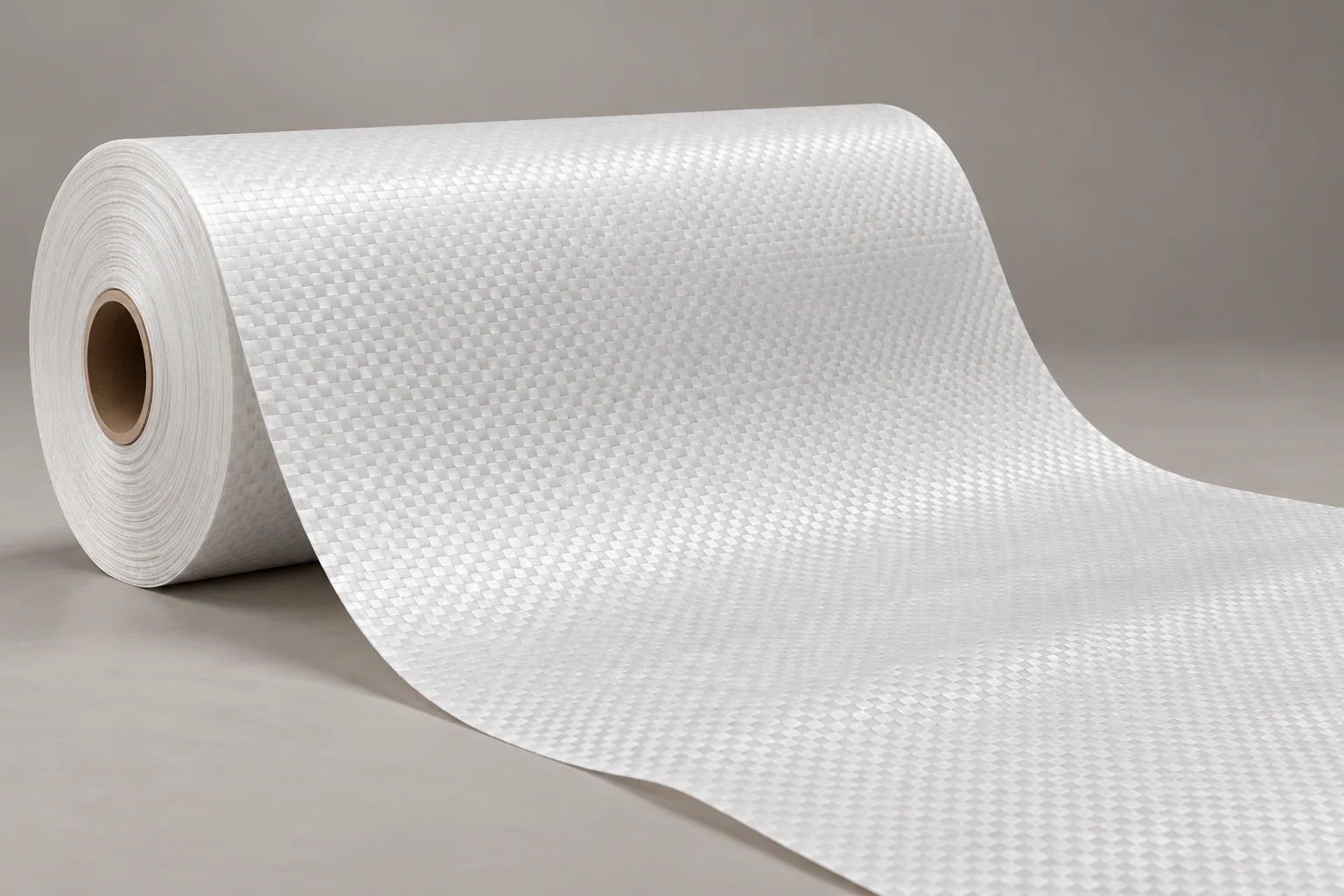
Huaheng supplies PE woven fabric as flat rolls, with slit widths discussed against your requirements. State whether the width in your enquiry refers to the supplied flat material or the dimensions of a finished item. Use units and label each dimension; a drawing can help when several dimensions are involved.
For finished packaging, describe the product being packed and the packaging form you want reviewed. Do not use a roll width as a substitute for finished packaging dimensions. If you are comparing both supply forms, request clearly separated scopes so that each quotation identifies what is included.
Separate known material details from open questions
List the woven base, coating requirements and any additional layers you already know. For colour, refer to a sample and describe the face or faces that need coating. Composite discussions can include nonwoven fabric, EPE foam and films; the combination and suitability still need review for your application.
If you provide a weight, say whether it refers to the base fabric, the coating or the complete material, and include the unit. Keep thickness separate from weight. When the construction is unknown, label it as unknown rather than assigning layers from appearance. A sample photograph can introduce the discussion without proving the internal structure.
Add quantity, destination and your planning needs
Include an estimated quantity if you have one, with the unit you are using. Distinguish a trial requirement from a possible later order so they are not treated as one confirmed purchase. You can start a technical discussion before the final quantity is settled.
Give the destination country or region and port if known. Add your requested delivery timing as a planning requirement, not an agreed commitment. Price, order quantity, sample arrangements and delivery terms are discussed for the particular enquiry; a general description of manufacturing capability does not settle those commercial details.
Send a brief that is easy to check
Put the application and desired supply form first, then attach the relevant dimensions, material notes and reference images. Identify which details are essential and which are proposals. If a drawing and a sample differ, explain which one represents the requirement you want assessed.
Before accepting a quotation, check that it refers to the same material structure, dimensions, supply form and quantity you discussed. Ask for unresolved items to be identified. This keeps the conversation focused on a shared specification without turning an early suggestion into an assumed production agreement.
Prepare for your enquiry
- Application and finished product
- Flat rolls or finished packaging
- Dimensions, units and any essential constraints
- Known layers, coating faces, colour and weight details
- Estimated quantity and destination, if known
- Reference sample or drawing, plus clearly marked unknowns